Impact of Sexual Behavior and Romantic Relationships on Delayed Marriage and Singlehood in Asia


Introduction of the Scientific Group
Welcome to the Scientific Group on
"Impact of Sexual Behavior and Romantic Relationships on Delayed Marriage and Singlehood in Asia"

This pioneering scientific group, initiated by the Asian Population Society, aims to bring together experts, researchers, and policymakers interested in exploring how sexual behaviors and romantic relationships among young people influence marriage patterns across Asian countries. The group includes distinguished scholars from various regions in Asia, fostering multidisciplinary research, knowledge exchange, and policy development to deepen understanding of these social phenomena affecting demographic trends.

Aims and Objectives

The primary goal of this scientific group is to generate high-quality research and promoteinformed discussion on how behavioral and social factors related to youth influence marriage delay and singlehood in Asia. The specific objectives include:

  • Facilitating cross-national and regional studies to understand similarities and
    differences in young people sexual and romantic behaviors.
  • Raising awareness about the social, health, and psychological implications regarding
    these changing behaviors.
  • Encouraging collaboration between researchers, policymakers, and practitioners for
    data-driven policymaking.
  • Organizing webinars, workshops, and conferences to disseminate research findings
    and foster regional dialogue.

NEW>> PowerPoint presentation from our scientific group's inaugural session today, August 7, 2025


Scientific Group Overview

Responsible Use of Demographic Data in Traditional and AI-Driven Methods

Advancing Ethical Innovation in Demographic Research

Introduction

Our group is dedicated to ethical, interdisciplinary research on demographic data – from traditional census and surveys to AI-enhanced analyses – with a commitment to global collaboration, scientific rigor, and policy impact.

The group aims to empower researchers, foster regional collaboration, and provide long-term ethical solutions for demographic data usage, modeling, and preservation.


Objectives

  • Introduce demographers to datasets from various sources and how they can be used in conjunction with one another in an ethical and responsible way
  • Presenting best practices for combining AI-driven methods with traditional statistical and demographic methods that are ethical and responsible
  • Fostering long-term data preservation, dissemination, and governance
  • Promoting data integrity, transparency, and scientific rigor


Core Research Themes

1. Data Interoperability

  • Combining microdata, aggregated datasets, satellite imagery, and other formats for comprehensive population research

2. Data Crisis and Quality Management

  • Addressing challenges in data preservation, decentralization, access, and ethical governance frameworks

3. Ethical and Responsible AI Usage for Demographic Data

  • Investigating fairness, accountability, and bias mitigation in AI models applied to demographic analysis
  • Exploring scientifically rigorous and transparent applications of AI for forecasting fertility, migration, aging, and mortality


Activities

1. Survey on population data addressed to APA members (August-September 2025) 

2. Online forum

Format: 90 min. with several presentations followed by discussion by participants

Time

Focus

Format

Oct 2025

Data Interoperability

  • Data harmonization
  • Population data and GIS
  • Country example

Feb 2026

Ethical and Responsible AI Usage for Demographic Data

  • International framework for AI ethical use
  • Research example using AI on population data

July 2026

Data Crisis and Quality Management

  • Quality of Census
  • Updates on DHS
  • Transition to registered census 

Nov 2026

TBC


2. Special session on 7th Asian Population Conference (2027)

3. Book publication (2027)

Participation

  • Open to APA members, researchers, students, and practitioners in demography, AI, statistics, and public policy.
  • For more information or to join the initiative, please contact: This email address is being protected from spambots. You need JavaScript enabled to view it.

Group members

Name (in alphabetical order) 

Title and affiliation

Country

Fatemeh Torabi (Chair)

Professor of Demography, Faculty of Social Sciences, University of Tehran

Iran

Jessica Gardner

Technical lead on Violence against Women Data and Research, Asia & Pacific Regional Office, UNFPA

Thailand

Reiko Hayashi

Director-General, National Institute of Population and Social Security Research (IPSS)

Japan

Harchand Ram

Assistant Professor, Institute of Development Studies (IDS), Jaipur

India

Sula Sarkar

Senior Research Scientist, IPUMS, Institute of Social Research and Data Innovation, University of Minnesota

USA


Asian Population Association (APA) Scientific Group (SG)
Theme: Bringing Fertility Services into Focus: A Forgotten Pillar of Family Planning in Asia

Rationale:

Since 2020, many Asian countries have experienced fertility rates below the replacement level. However, few have incorporated fertility services into their programs to assist infertile couples and enhance overall fertility levels. Additionally, infertility is not widely recognised as a gender issue, and there is limited governmental support to help underprivileged women overcome this challenge. Moreover, infertility remains heavily stigmatised in many Asian societies, particularly for women, impacting their long-term mental health (Unisa, 1999; 2010; Nahar, 2022; Bagade et al., 2022). Limited data on infertility prevalence, poor documentation, and definitional ambiguities have hindered advocacy efforts for infertility services, making them weaker compared to other reproductive health issues (WHO, 2023). Additionally, couples often spend substantial amounts on treatment, and those unable to afford it face significant socio-cultural and psychological challenges (Rozee & Unisa, 2016; Njagi et al.,2023). 

p3 2025 07 03 11 25 41

Source of data: https://population.un.org/dataportal/data/indicators/

Infertility Rate and Fertility Services in Government Health Facilities

Countries

Estimated infertility rate

Diagnosis

Basic Treatment

IVF/ART Covered

Notes

Australiaa

~15%

✔️ Yes (Medicare)

✔️ Yes (Medicare)

✔️ Partially (Medicare + State rebates)

Up to $2,000 IVF rebate in some states

Bangladeshb

~15%

✔️ Limited

❌ Very limited

❌ Private only

Infertility services are largely private

Chinac

12-18%

✔️ Yes

✔️ Yes

✔️ In 27 provinces (as of 2024)

IVF is included in public insurance regionally

Indiad

10-15%

✔️ Limited

✔️ Limited

❌ Mostly private

ART regulated by ICMR; minimal public coverage

Sri Lankae

10-15%

✔️ Limited

✔️ Limited

❌ Private only

Basic evaluations in public hospitals

Nepalf

8-12%

❌ Minimal

❌ Minimal

❌ Private only

No structured public program

a: Better Health Channel; b: WHO-based estimates; c: Various studies and estimates; d: Based on ICMR & WHO estimates; e: Limited national data; f: Various studies and estimates

Furthermore, infertility diagnosis and treatment are primarily available in private hospitals in many countries. Couples seeking these services often face high out-of-pocket expenses, as government funding does not cover these treatments.  In a few countries with partial services, the out-of-pocket costs can still be significant. Consequently, access to infertility care can be limited for those who cannot afford private healthcare. Therefore, a strategic and unified advocacy effort is needed to drive for better support and funding for infertility treatments, ensuring more equitable access to these essential services.

Aim:

To promote awareness, advocate for policy changes, and collaborate with healthcare providers to improve the accessibility of infertility diagnosis and treatment, while strengthening research and public health integration of fertility services.

Objectives:

  1. To build a collaborative, multidisciplinary network of professionals dedicated to advocating for equitable and ethical fertility care within public health systems.
  2. To raise awareness among policymakers and public health stakeholders about the importance of integrating comprehensive fertility services into national healthcare systems.
  3. To engage and support early-career researchers in investigating the causes, prevalence, and societal impacts of infertility and childlessness.
  4. To provide training for researchers in standardised methodologies for collecting and analysing data on infertility and assisted reproductive technologies (ART).
  5. To examine and compare ART and surrogacy practices across Asian countries, focusing on their accessibility, costs, legal frameworks, and associated socio-psychological dimensions.

 Activities:

  1. Advocacy and Consultation: Create country-specific advocacy papers and conduct national and international consultation meetings with public health officials and program personnel.
  2. Workshops and Webinars: Organise workshops to develop proposals on infertility and ART-related issues, host webinars, and publish an edited book of presented papers.
  3. Public Awareness and Policy Influence: Launch public awareness campaigns via social media, traditional media, and community events, and develop policy briefs and reports to influence policymakers on integrating fertility services into public health systems.
  4. Follow-Up and Sustainability Planning: A regional task force will be developed to follow up after the consultation meeting with policymakers.
  5. Leverage Digital Platforms: Creating an online repository or platform for sharing resources, case studies, and ongoing research to maintain momentum and encourage cross-country collaboration.

Output:

  1. Comprehensive reports and recommendations aimed at policymakers for integrating infertility care into public health systems.
  2. Published studies and datasets analysing infertility prevalence, diagnosis gaps, and treatment accessibility across different demographics.

Outcome:

  1. A well-structured, impactful approach to addressing fertility care and ART-related issues within public health systems.
  2. Comprehensive studies leading to a deeper understanding of infertility trends and influencing global policy discussions.

Team Members:

Name

Designation with Country

Email

Gender

Saddaf Naaz Akhtar

Postdoctoral Research Associate, Institute of Population Health, Liverpool, UK

This email address is being protected from spambots. You need JavaScript enabled to view it.

Female

Ranjan Prustry

Scientist C, National Institute for Research in Reproductive and Child Health, Mumbai and Asst. Professor, Faculty of Medical Research, AcSIR, Ghaziabad, UP, India

This email address is being protected from spambots. You need JavaScript enabled to view it.

Male

Ramesh Babu Kafle

Associate. Professor, Centre for Population and Development, Purbanchal University, Nepal

This email address is being protected from spambots. You need JavaScript enabled to view it.

Male

Manori Weeratunga

Professor, Dept of Demography, Faculty of Arts, University of Colombo, Sri Lanka, President, Population Association of Sri Lanka

This email address is being protected from spambots. You need JavaScript enabled to view it.

Female

Tanmay Bagade

Senior Lecturer, Global Health Medical Education, Australia

This email address is being protected from spambots. You need JavaScript enabled to view it.

Male

Papreen Nahar

Principal Research Fellow, Dept. of Global Health and Infection, Brighton and Sussex Medical School, University of Sussex, UK

This email address is being protected from spambots. You need JavaScript enabled to view it.

Female

Sayeed Unisa (Chair)

Former Professor and Head, Dept. of Biostatistics and Epidemiology, International Institute for Population Sciences, India,

President,

This email address is being protected from spambots. You need JavaScript enabled to view it.

Female

Sabu Padmadas

APA Council Member (Liaison for support and coordination)

.

This email address is being protected from spambots. You need JavaScript enabled to view it.

Male

Potential Funding:

Wellcome Trust, UNFPA, WHO, ICSSR, ICMR, Country level or institutional level Support


Policy Use of National Transfer Accounts (NTA) in Ageing Asia 

Objectives

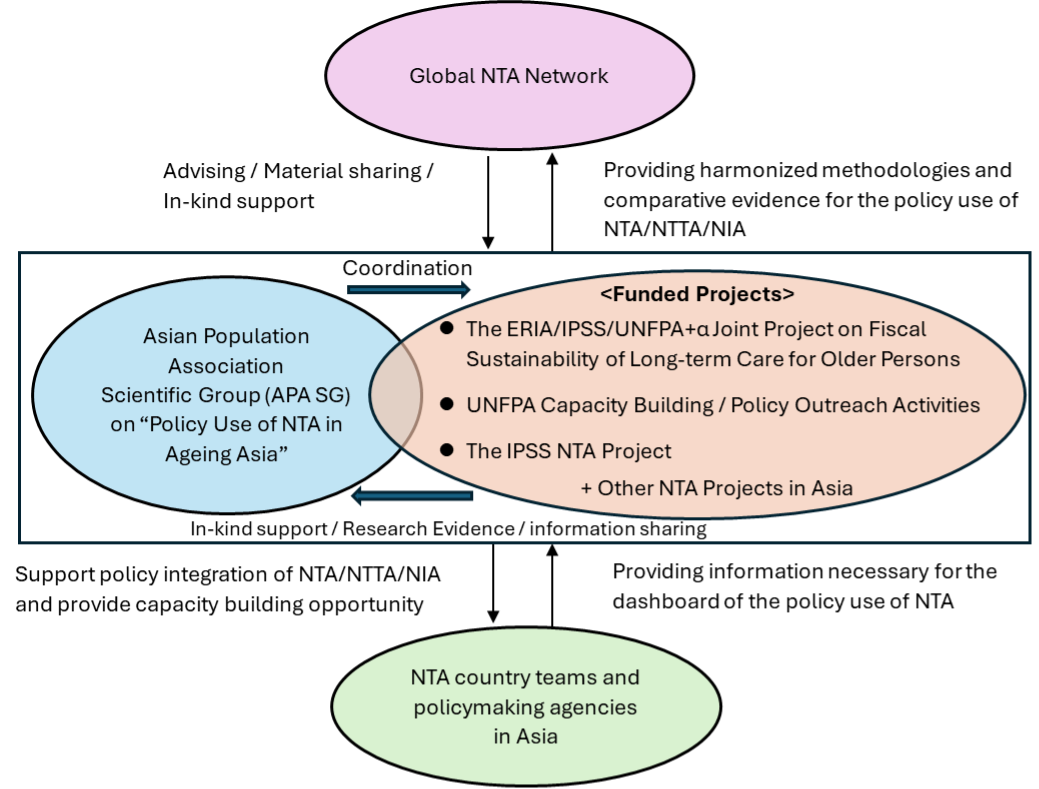
  1. Promote the policy integration of NTA in rapidly ageing Asian countries by aligning outputs with key national policy priorities and strengthening institutional capacity.
  2. Build and strengthen a regional network of NTA practitioners to foster collaboration, facilitate knowledge sharing, and promote regional learning.

The demographic future of Asia demands urgent and informed action. The NTA framework provides essential data and analytical tools to support the development of sustainable, fair, and effective policies. By advancing the policy application of NTA and building a strong regional network, this Scientific Group on NTA (APASG-NTA) aims to help Asian countries respond to the challenges of ageing with resilience and fairness.

Key Activities

  1. Policy Engagement Workshops: Convene NTA teams, policymakers, and international experts to translate data into actionable insights and foster policy dialogue.
  2. Capacity Building: Deliver targeted training for government officials and researchers on the production, interpretation, and application of NTA data.
  3. Policy Briefs and Guidelines: Develop clear, accessible materials to communicate findings and promote integration into national planning and policy frameworks.
  4. Regional Knowledge Exchange Platform: Establish a digital platform featuring a dashboard on policy use of NTA/NTTA/NIA, including summary indicators, methodologies, visualizations, policy briefs, best practices, failure cases, and joint research outputs.
  5. Comparative Studies: Support cross-country research projects to identify regional trends, shared challenges, and effective policy responses across Asia.

Through these activities, the APASG-NTA seeks to institutionalize the NTA framework by working with national agencies to embed NTA into official statistical systems and long-term policy planning processes.

Expected Outcomes

  • Increased policy uptake of NTA in national strategies related to ageing, pensions, and care systems.
  • Improved capacity among policymakers and researchers to collaborate effectively and apply NTA data in policy development.
  • Strengthened regional collaboration through the establishment of a sustained community of practice.
  • Greater visibility and credibility of NTA in both policy and academic spheres, driven by increased awareness of their relevance to policy reforms.
  • Harmonized methodologies and regional benchmarks to support consistent analysis and strategic planning across countries.

Funding

The main funding source for the group's activities will be the jointly provided by the Economic Research Institute for ASEAN and East Asia (ERIA), the Japan National Institute of Population and Social Security Research (IPSS), and the United Nations Population Fund (UNFPA). Additionally, capacity building, policy outreach initiatives, and research projects conducted by ERIA, IPSS and UNFPA will also contribute to some of these activities. The APASG-NTA is also open to contribution in cash or in-kind from other individuals and institutions.


The Asian Population Association Scientific Group (APA-SG)

on the “Policy Use of NTA in Ageing Asia

item1 Picture1

Aims:

  • Promote the policy integration of NTA in Asian countries
  • Build the capacity of NTA production and policy use
  • Build and strengthen a regional network of NTA practitioners

Expected outcomes:

check mark icon 5386 Increased policy uptake of NTA in national strategies related to ageing, pension, and care systems.

check mark icon 5386  Improved capacity among policymakers and researchers to collaborate effectively and apply NTA data in policy development.

check mark icon 5386 Strengthened regional collaboration through the establishment of a sustained community of practice.

check mark icon 5386 Greater visibility and credibility of NTA in both policy and academic spheres, driven by increased awareness of their relevance to policy reforms.

check mark icon 5386 Harmonized methodologies and regional benchmarks to support consistent analysis and strategic planning across countries.

  • The project will be implemented through a close partnership with national NTA teams in Asia, Global NTA Network researchers, and stakeholders from the funding projects. 

External Links


APA Scientific Group  

on

Climate Mobilities, Migrants and Health


Rationale:

Numerous studies show that climate change has made a serious impact on the biophysical diversity and the capacity of the ecosystem to provide food, livelihood and health security. As per the IPCC report (2022), the average global surface temperature has increased by over 1 degree C between 2010 and2020 compared to the pre-industrial level. It could rise to 1.5 degrees C by 2040. Scientists repeatedly warn that the world is on a 4-6 degrees C warming pathway, and robust mitigation and adaptation are continuously required.  So far as Asia is concerned the average surface temperature has also been increasing, and this is also very much manifested in increased extreme weather events like droughts, floods, storms and cyclones and the erratic pattern of monsoon in Asia (IPCC, 2022).

People inhibit places that have evolved historically forging deep relationships with their environments. Climate change disrupts the close relationships between people and places, often creating new vulnerabilities and exacerbating the existing ones. While voluntary mobility and migration can reflect the capability to choose where to live or remain, not all movement is voluntary. Climate change often drives forced mobility—through internal displacement, refugee flows, asylum seeking, and even trafficking —undermining people’s ability to exercise agency over their lives. By eroding individual and collective capabilities, climate change threatens to disempower communities and hinder the realisation of social, cultural, economic and political rights. It raises profound concerns for environmental citizenship, reshaping the relationship between people and place through patterns of mobility and migration.  

Climate change is likely to influence mobility and migration in two ways: ‘gradual’ and ‘sudden'. Gradual changes —including increasing aridity, desertification, loss of biodiversity, rising sea level —may prompt voluntary mobility and migration. In contrast, sudden events such as cyclones, floods and severe droughts, may lead to forced mobility, migration and displacement. Yet, such a binary distinction oversimplifies a complex reality. In truth, climate-driven mobility and migration are shaped by an intricate interplay of socio-economic and political factors, where climate change exacerbates pre-existing vulnerabilities rather than acting in isolation.  

This scientific group would work on the premise that climate change should not be seen merely as a biophysical change, but must be viewed as embedded in the socio-economic conditions of affected populations. It means that adaptive capacity varies significantly across communities, and those facing socio-economic disadvantage are most likely to bear the brunt of climate impacts. There is a clear spatial overlap between regions most vulnerable to climate change, areas of deep socio-economic deprivations, and emerging patterns of mobilities and migration across the world, including in Asia.

Livelihoods dependent on agriculture, fisheries, livestock and forestry are increasingly at risk, driving migration as an adaptive strategy. Beyond voluntary migration, rising sea levels and extreme weather events are expected to cause large-scale displacement in both rural and urban areas. This scientific group will examine how these environmental pressures catalyse climate-induced mobility and migration, and identify strategies for mitigation and adaptation.

Importantly, the consequences of climate-related mobility and migration extend far beyond the act of moving. Both areas of origin and destination are likely to experience profound impacts. Health vulnerability is of particular concern, given the increased exposure to extreme weather events such as floods and heatwaves, disruptions to food system, growing water insecurity, and the increased risk of infectious diseases. Accordingly, this scientific group will also address the health outcomes among mobile and vulnerable populations, including those affected by forced displacement and planned relocations.   Through its work, the group will contribute to the development of policies and programmes aimed at achieving climate justice, aligned with the Sustainable Development Goals’ commitment to ‘leave no one behind’.

Aims and Objectives:

  1. Climate change as a driver of mobilities and migrations is embedded with socio-economic and political drivers of migration. How to separate the effects of climate change drivers has been a real challenge of mobility and migration research.
  2. While voluntary (migration by choice) and involuntary movements (displacement and refugees) are often indistinguishable in many circumstances, researchers must take into account the gradual and sudden changes in the form of mobility and migration.
  3. Places of origin and destination, although closely related, methodologically raises questions that need to be addressed differently. While drivers of migration may be important for the areas of origin, the migrants may be relevant to be studied in the places of destination. The separation between the two assumes significance in the study of climate change as a driver and its impact respectively.
  4. Migration and other researchers face enormous challenges so far as secondary data at the areal level is concerned. Definitions of migration and migration intervals also vary widely across countries; the distinction between temporary and circular migration as a form of spatial mobility on the one hand, and migration as residential change on the other is rarely studied. This scientific group will endeavour to highlight that migration rarely occurs in a singular form but arises in multiple forms with varied drivers and impacts. This scientific group will highlight the limitations of current area-level secondary data, the inconsistencies in migration definitions across countries, and advocate for the use of innovative digital data and digital footprints to capture the full complexity of mobility.
  5. Mapping the relationship between people and places is crucial, yet reliable, up-to-date spatial data at lower administrative levels, such as town and ward, is often lacking, particularly in the non-metropolitan areas. This group will identify gaps in mapping and visualisation to support more informed urban planning and climate adaptation strategy.
  6. While the impacts of climate-related mobility and migration span multiple sectors —including livelihoods, food security, nutrition and health —this group will place a particular focus on the health consequences for mobile and vulnerable populations, both at the places of origin and destination.

Expectations and Outcomes (2025-2027):

This initiative aims to advance research, collaboration, and policy dialogue on the impacts of climate change on mobility, migration, and health across Asia. Through a series of strategic activities (detailed below)—including conferences, publications, collaborative research, capacity building, stakeholder engagement, and advocacy—the group will foster academic innovation, strengthen research networks, and inform evidence-based policy and practice.

i. Conference and Sessions:
Organize a high-profile international conference showcasing cutting-edge theoretical, methodological, and empirical research advances on the drivers and impacts of climate change on mobilities, migration and health in selected Asian countries. Key topics will include life-cycle mobility transitions driven by extreme weather events, and policy responses for mitigation and adaptation at both origin and destination regions. In addition to the flagship conference, the group shall also organise specialised sessions at major international forums such as IUSSP, APA, PAA, IGU.

ii. Edited Book or a Special issue in a Journal:

Papers presented at the conferences and sessions organised by this group will be published either as an edited book or as articles in a special issue of a leading academic journal.

iii. Research Collaboration and Grant Development:
Strengthen international research collaboration by developing a joint research proposal on climate-related mobility, migrant and health. This proposal will target major external funding opportunities, working in partnership with renowned academic institutions and research networks.

iv. Capacity Building Workshop:
Host a specialised capacity-building workshop aimed at enhancing the methodological and analytical skills of PhD scholars and early-career researchers working in the fields of climate mobility, migrant and health.

v. Stakeholder Engagement and Networking:
Establish regular online dialogues with key stakeholders—including government agencies, academic institutions, UN bodies, the Asia-Pacific UN Migration Network, and civil society organisations—to foster collaboration, knowledge exchange and evidence-based policy dialogue.

vi. Advocacy and Outreach:

Strengthen advocacy and outreach efforts by disseminating research findings, promoting events, and publishing blogs, newsletters, and commentary pieces to broaden the group’s visibility and policy impact.


Global Perspectives and Resources:

IOM, Global Compact for Safe, Regular and Orderly Migration, https://www.iom.int/global-compact-migration

UNHCR, Global Compact on Refugees, https://www.unhcr.org/in/who-we-are/global-compact-refugees

WHO, Refugee and Migrant Health, https://www.unhcr.org/in/who-we-are/global-compact-refugees


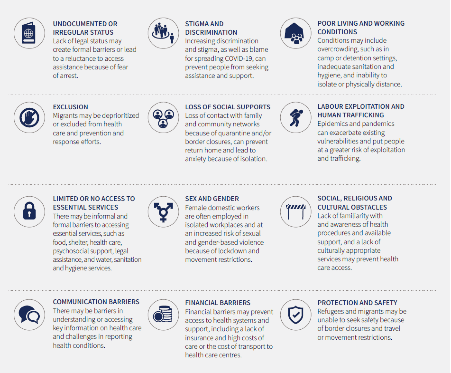
Barriers and Risks of Health for Migrants
Picture1

Source: WHO (2022) World Report on the Health of Refugees and Migrants, Geneva.


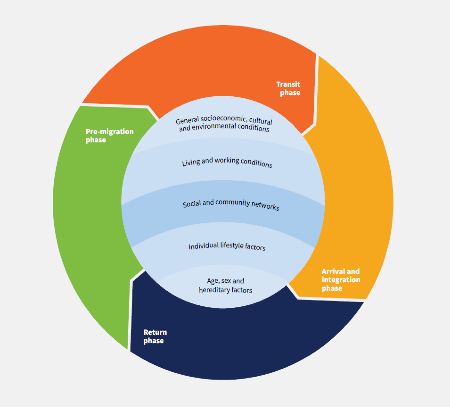
Determinants of Health in Different Phases of Migration
Picture2

Source: WHO (2022) World Report on the Health of Refugees and Migrants, Geneva.
 

Brisbane IMG 20250718 WA0011

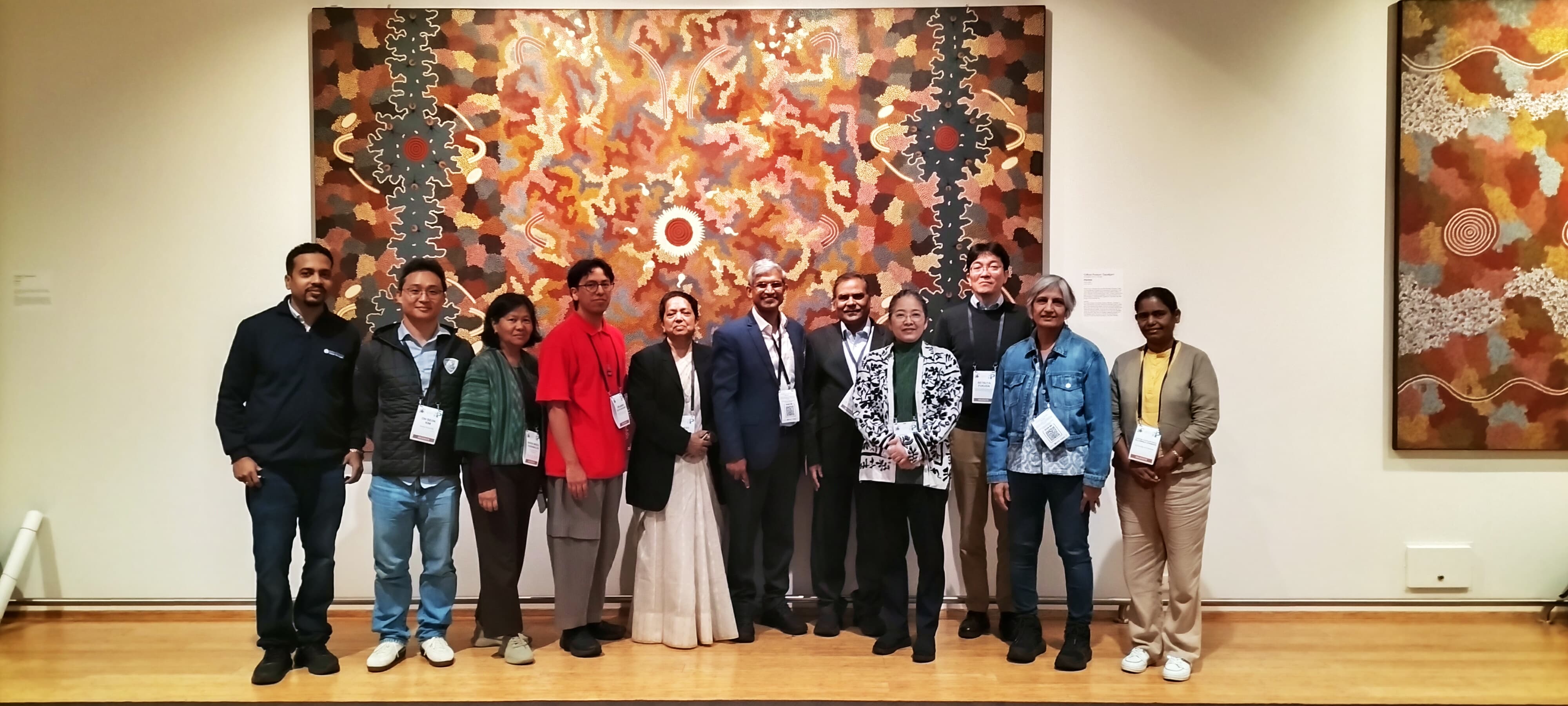
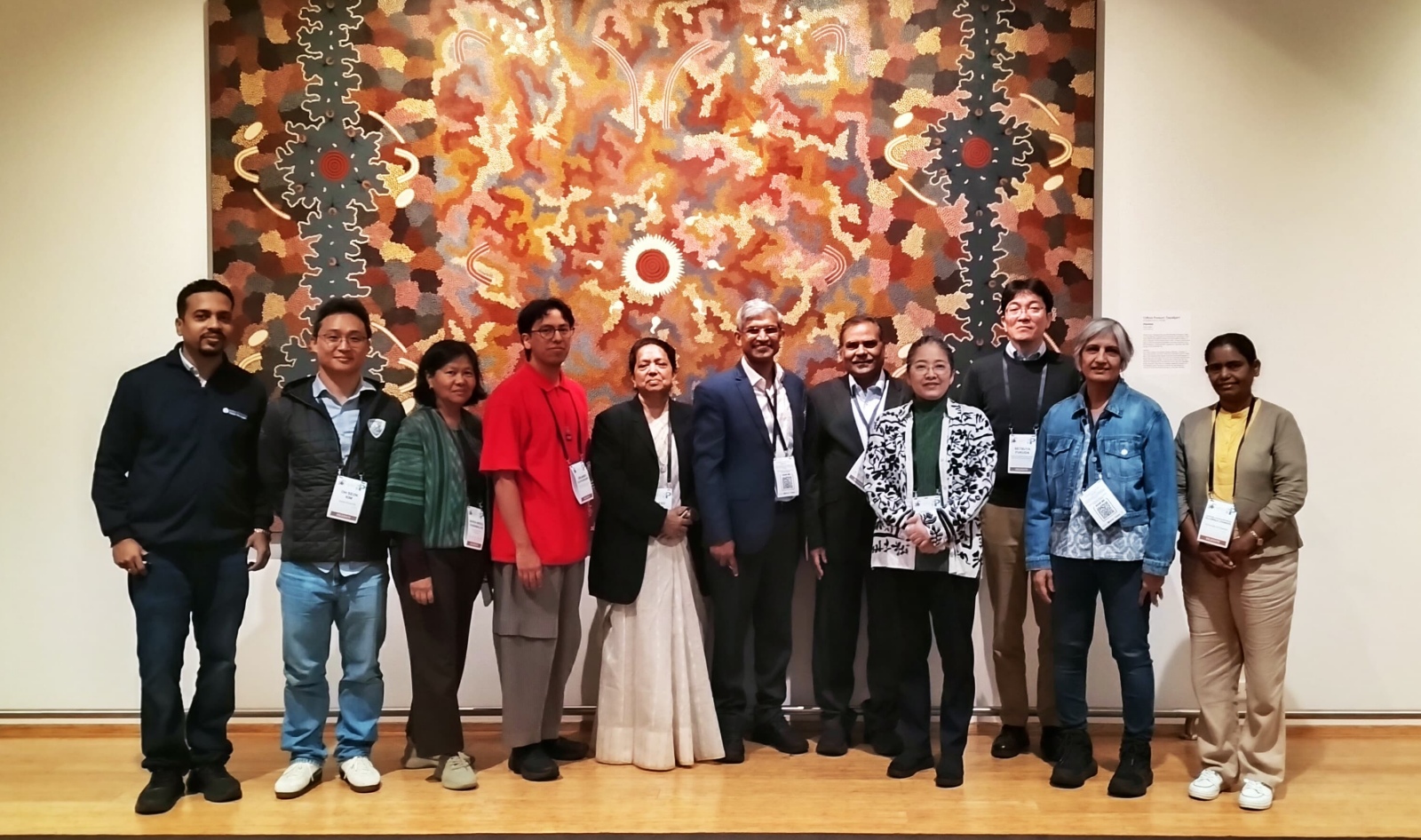
A meeting of some of the members of Scientific groups was held during IUSSP Brisbane on 18th July, 2025.


Minutes of Meeting Date: 28 July 2025
Download



APA Council Liaison:

Maria Midea Kabamalan, Professor, University of the Philippines, (This email address is being protected from spambots. You need JavaScript enabled to view it.)